Global writing
Global writing is easier to read, understand, and translate. This guidance is for all American English that is localized.
Overview · Word choice
Word choice
Use global examples & explain local references
References to local places, holidays, and companies won’t always make sense to global audiences.
Do

Use generalized, global examples. Most countries and cultures have holidays.
Don't

Don’t call out a specific country or culture’s holiday
If it doesn’t make sense to use a global example, explain the reference in the message description so the translator can substitute a locale-specific example. Some instances where local references should be called out include:
- Locations
- Names (common first names and nicknames)
- Currencies
- Temperatures
- Date formats
- Providers (internet and cable)
Caution
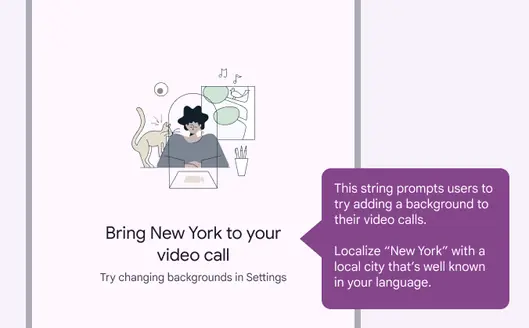
Help translators understand the context by adding message descriptions
Use short, simple sentences
Break text into shorter sentences. Use bullets or separate content into sections with headings.
Other languages average at 1.5 times longer than English, so text that’s short may be long when translated.
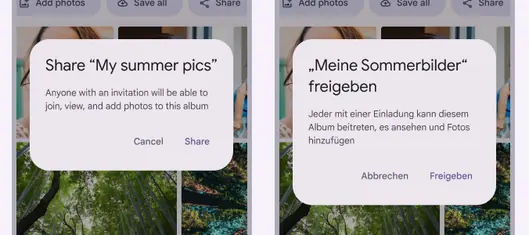
Many languages, like German, are longer than English
Avoid abbreviations
Abbreviations don’t translate well and can be confusing out of context. Spell things out whenever possible.
However, common abbreviations for time are acceptable.
Do
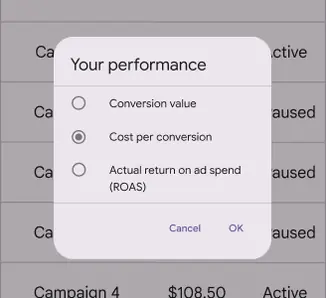
Use clear names to refer to things
Caution
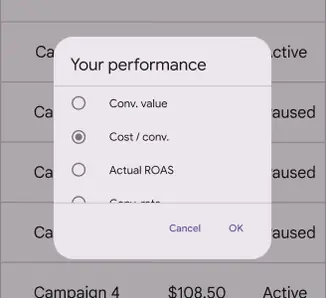
Avoid abbreviations. If they're used, provide their meaning in message descriptions.
Clarify pronouns
Using pronouns, like “it,” can get tricky when translators are working with small, unconnected strings of text and when nouns have genders in many languages. Repeat the noun, or clarify the noun in a message description.
Do

Using nouns instead of, or in addition to, pronouns can help clarify future and past user actions
Don't
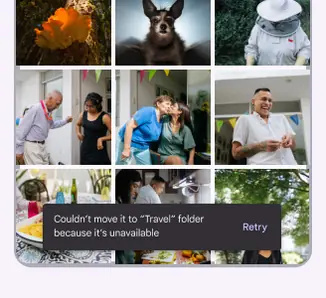
Avoid using pronouns when it’s unclear what nouns they’re referring to, especially when explaining user actions
Clarify “this” and “that”
Don’t start a sentence with "this" or "that" unless it's immediately followed by the noun. When the noun is unclear, the sentence is more difficult to translate.
Do
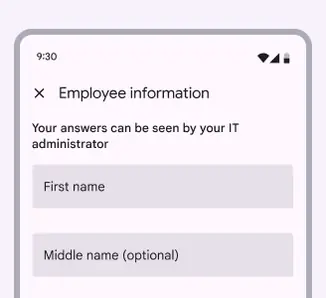
Make sure it’s clear who text is referring to
Don't
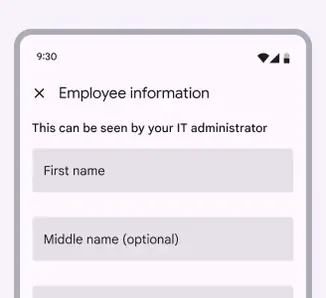
Avoid using “this” and “that”
Avoid idiomatic, colloquial, and polite expressions
Idiomatic or colloquial phrases can be confusing if the meaning isn’t clear. If you use them, clarify the purpose and context of the phrase to help the translator choose an appropriate alternative.
Avoid polite expressions, such as “Please,” “Sorry,” and “Thank you,” especially in error messages. However, "please" may be used when asking the user to do something inconvenient.
Do
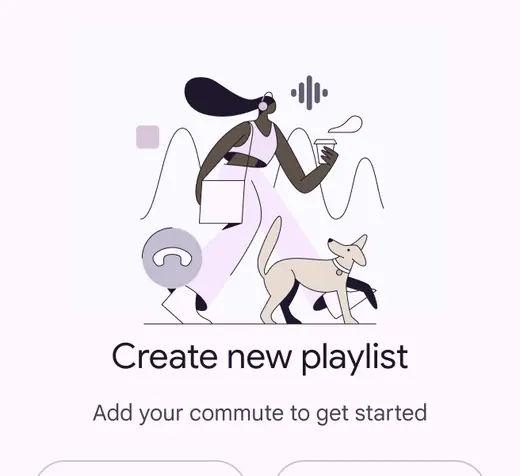
Clear, everyday language can be used in an expressive and whimsical way when paired with imagery
Don't

Idiomatic phrases can be difficult for everyone to understand and for translators to localize
Reduce technical jargon
Technical terms don't always translate. Descriptions should be simple, and in some cases literal, to avoid confusion when translating.
Do
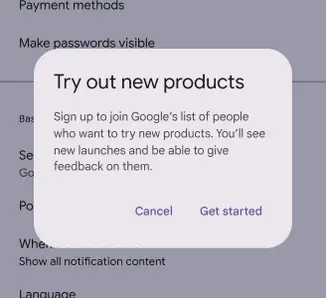
Plain language is easier for everyone to understand
Don't
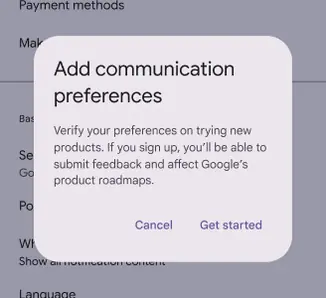
Confusing language makes it difficult for people to understand the actions they’re taking
Clarify ambiguities
Some words have multiple meanings. For example, “traffic,” “filter,” and “change” can be used as either nouns or verbs. Avoid using both meanings of the word in the same string or body of text. If a word has the potential to be confusing, provide as much context as possible in the message description so the translation will be accurate.
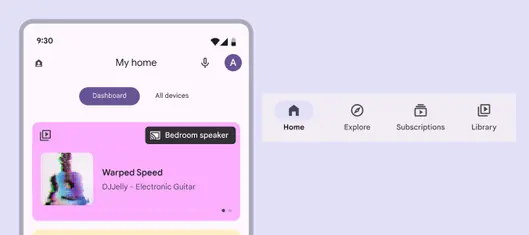
Clarify words that have multiple meanings. “Home” could reference a homepage or where someone lives.